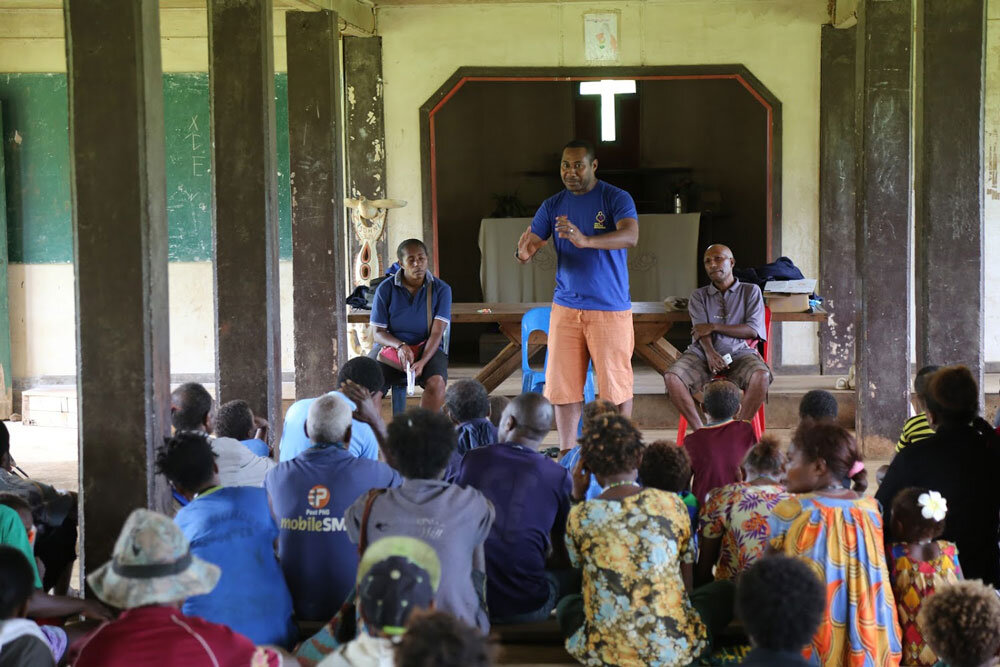
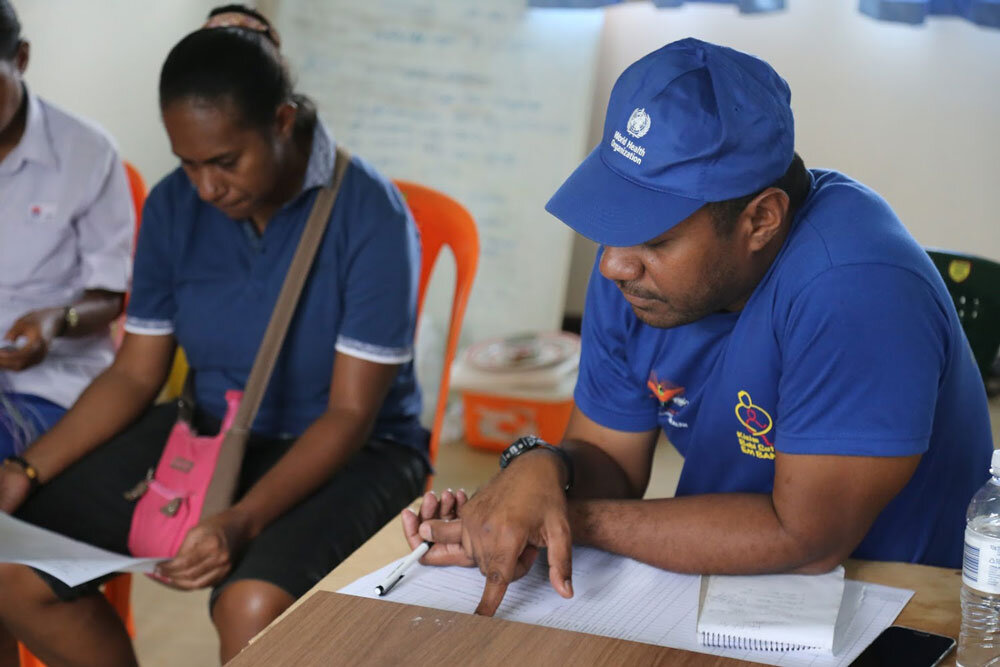
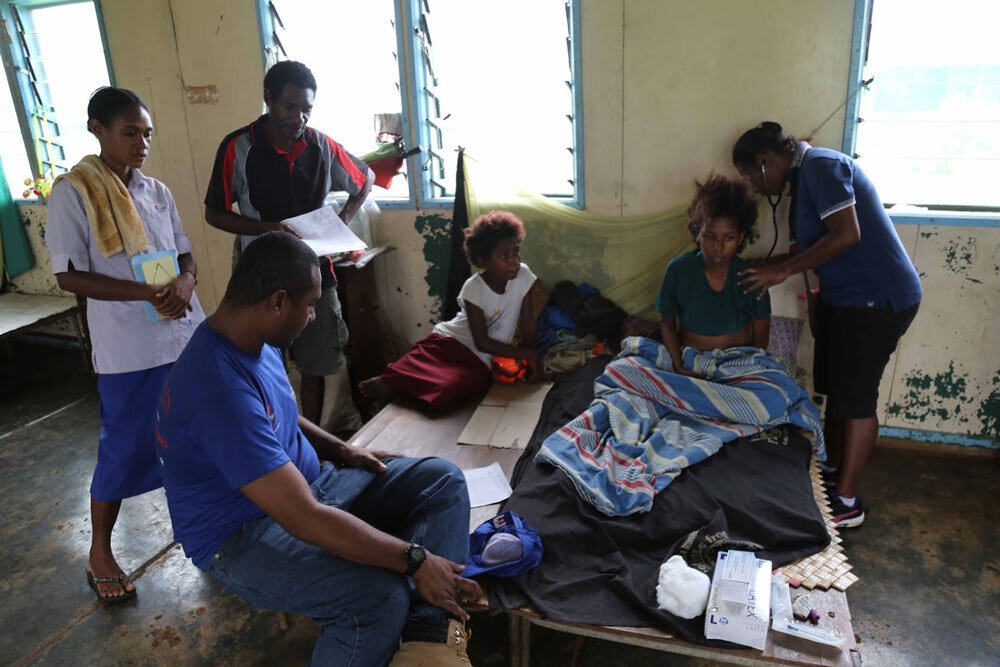
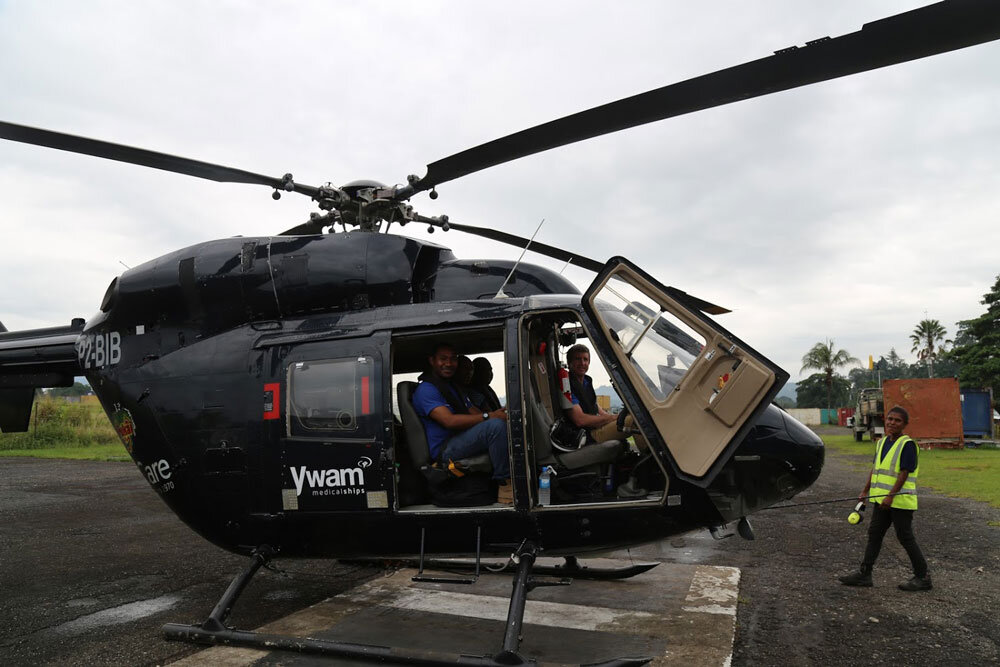
The Rapid Response Team Training Program of Papua New Guinea (RRT) is one of 4 workforce development program that falls under the National Department of Health’s FETPNG unit. The other programs are the frontline FETP (fFETPNG), the intermediate FETP (iFETPNG) and the advanced FETP (aFETPNG).
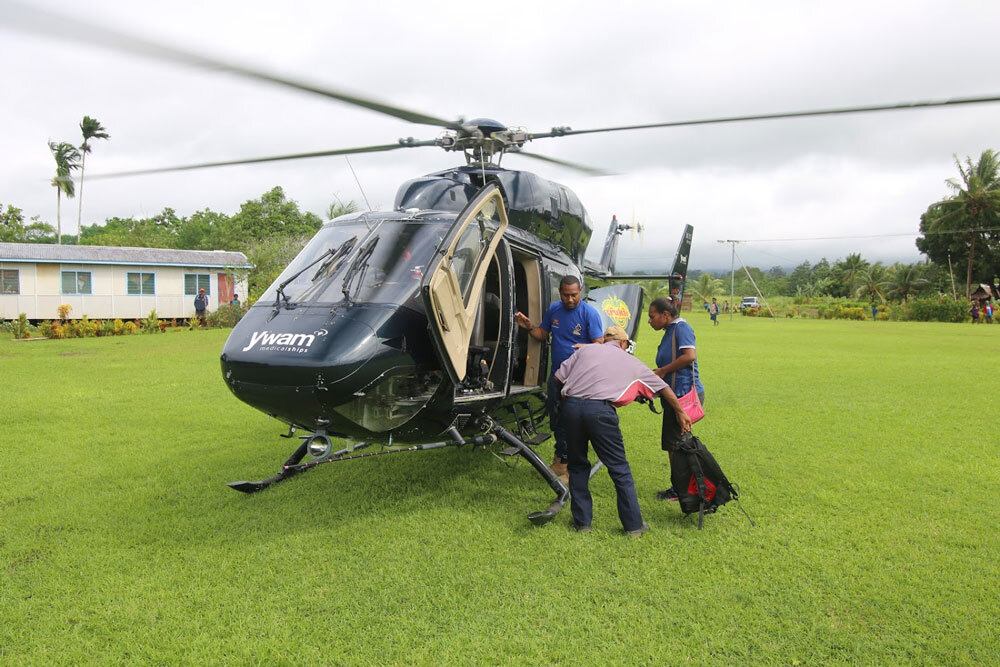
Rapid response teams (RRTs) are multidisciplinary teams embedded within Provincial Health Authorities that are activated in response to disease outbreaks, natural disasters and other urgent health threats.
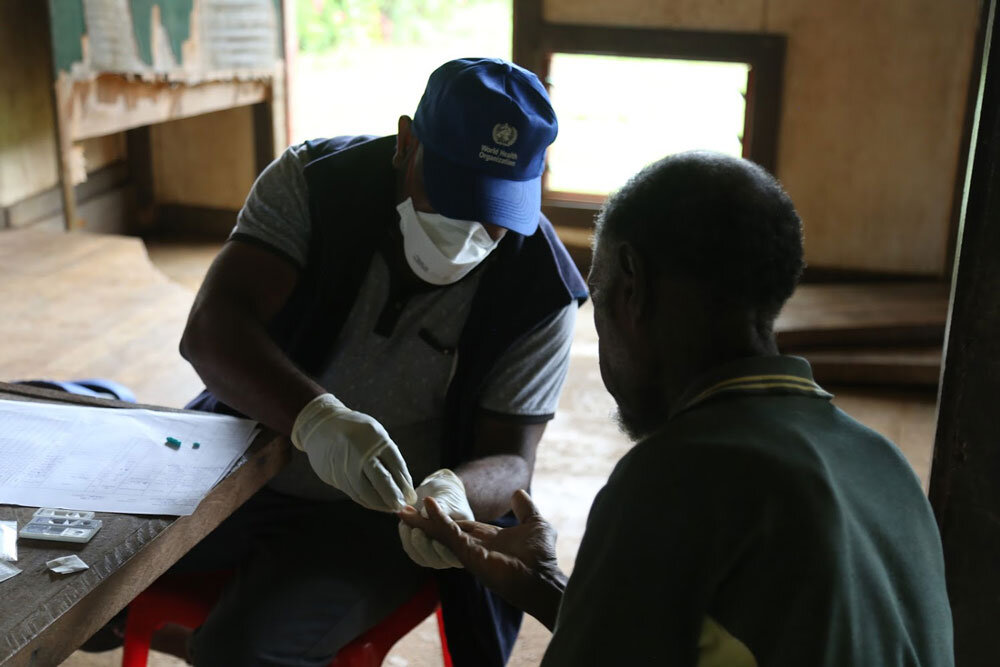
RRT members include clinicians, epidemiologists, surveillance officers, laboratory specialists, environmental health officers, administrators and communication officers. These multidisciplinary teams may be asked to investigate a wide range of health emergencies, providing rapid community engagement response and public health messaging, and importantly, collecting data to inform public health response.
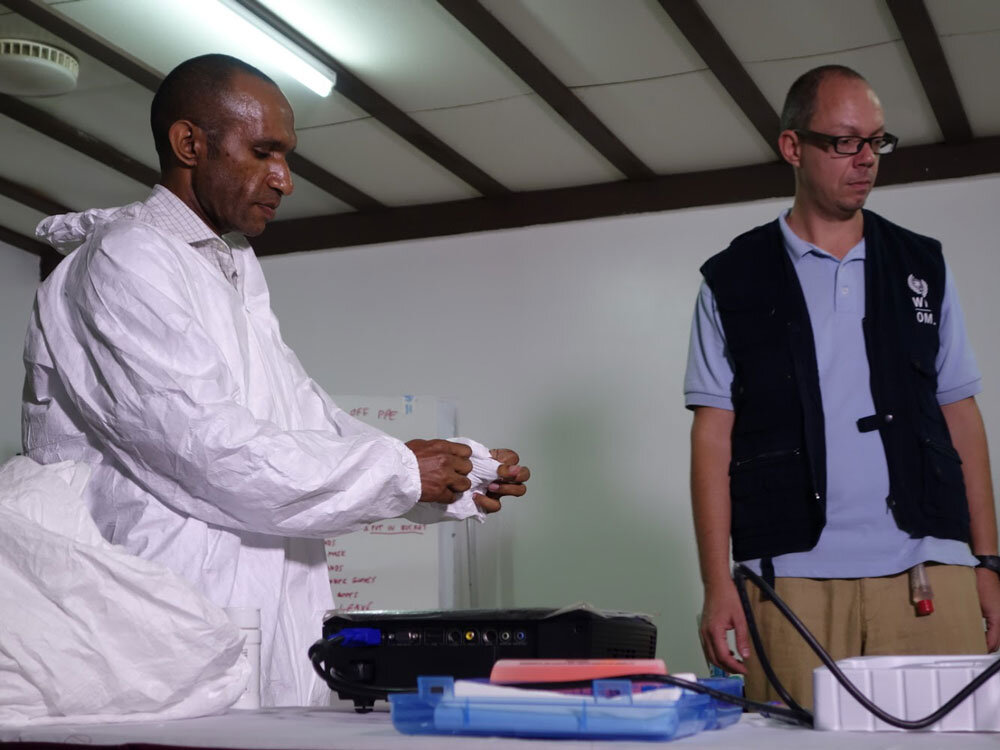
A PNG-specific RRT training model has been developed, based on the WHO RRT curriculum. This model shifts away from a tick-the-box training event toward a comprehensive, staged program that builds knowledge and skills over time, decentralises response capacity to the subnational (Province and District) level, and embeds teams within existing local health and emergency structures. A supported, scaffolded training program is described below.
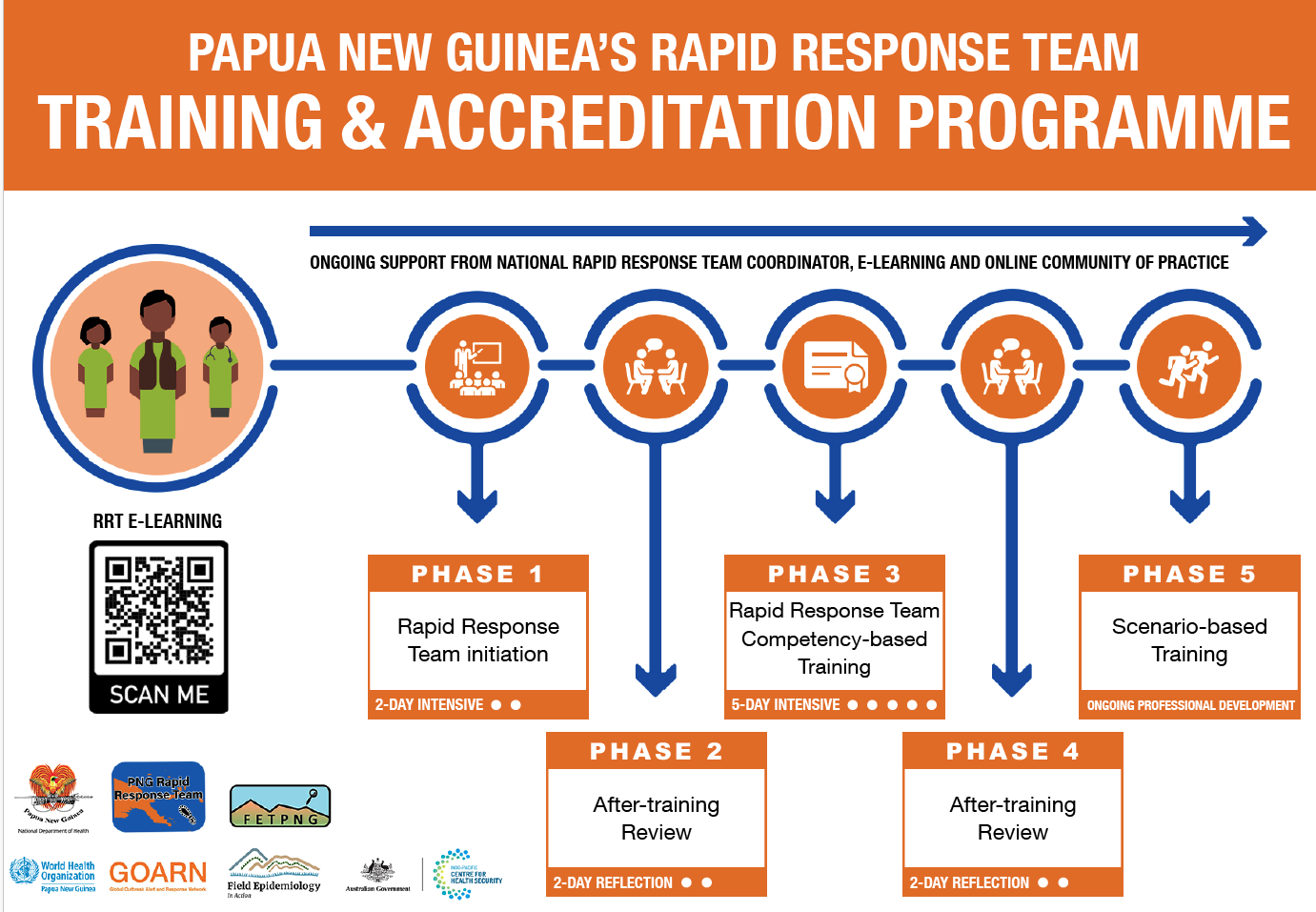
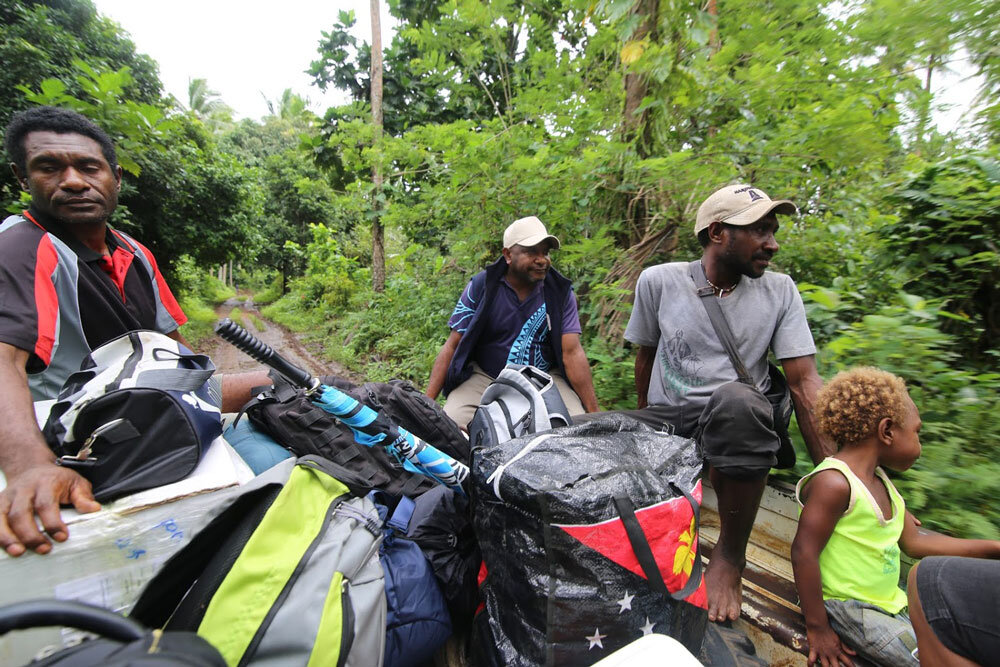
Papua New Guinea has completed Phase 1 & 2 across all 22 provinces and is in the process of rolling out phase 3 across the country. Phase 3 utilises an immersive tabletop scenario, where participants walk through an imaginary emergency event spread over several days, responding to the unfolding situation and making decisions. This improves understanding of the different RRT roles, not just their own, and allows participants to practice their own RRT role. Phase 3 also involves provinces localising a national RRT Standard Operating Procedures, making it more specific to their own provincial context. Whilst Phase 3 RRT training currently involves Provincial RRTs, participants are also introduced to and practice a 2-day District level RRT training, which they will later in independently deliver in their own Districts.
If you’d like to learn about RRT and develop skills for rapid response in your own context, you can join our free online RRT course by clicking below: