Protecting communities from behind the scenes
World Field Epidemiology Day, 2026
Every year on 7 September, World Field Epidemiology Day recognises the people working to detect and respond to disease outbreaks before they can take hold. This year's theme, protecting communities from behind the scenes, is a fitting one for field epidemiology, work that rarely makes headlines, even when it's protecting entire communities.
To mark the day, we spoke with Field Epidemiology Training Program (FETP) graduates from Papua New Guinea and Solomon Islands about recent experiences working to protect communities from disease outbreaks.
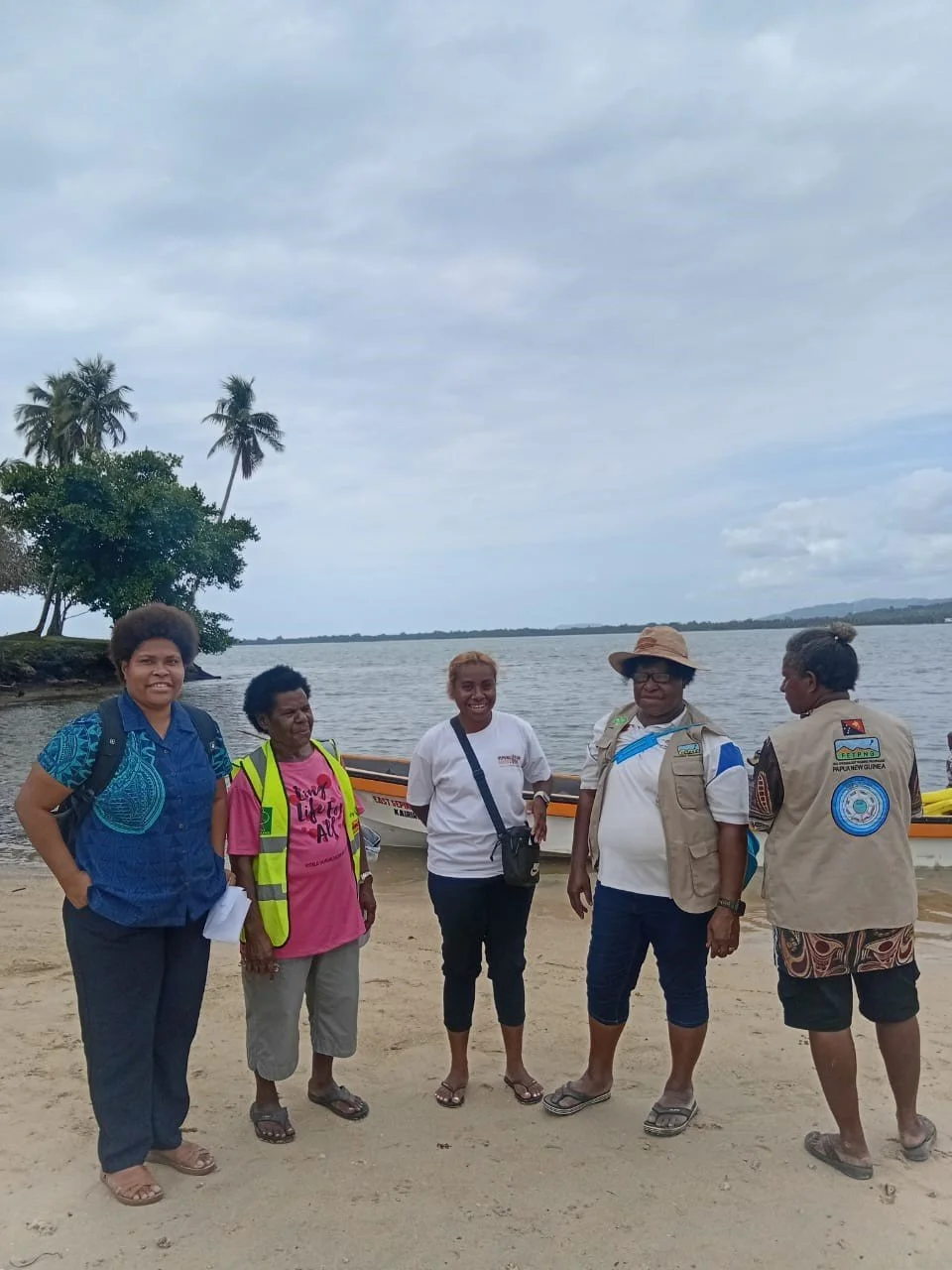
The East Sepik Rapid Response Team
Julianne Gumbat
In June 2026, a weekly routine disease surveillance in East Sepik province flagged something concerning. Fifteen children on a remote island had been treated for what looked like chickenpox within a single week. For Julianne Gumbat, Provincial Surveillance Officer for East Sepik and an intermediate FETPNG graduate and faculty member, the data didn't add up.
"Chicken pox was not commonly reported - during my clinical days I'd diagnose maybe one case every two years," she said. "But when this was reported as a cluster, all at once, from the same village, I knew it wasn't chicken pox. It could be something else, because the symptoms and signs matched a different set of warning signs entirely, so I acted early, the very next day I travelled to the site and collected blood samples for verification."
Her instinct was right. Of 13 samples tested, two came back positive, not for chickenpox, but measles, Papua New Guinea's first confirmed case of the 2026 outbreak.
Working back from those two positive cases, Julianne traced their history. Both had spent three months living with family in town on the mainland before returning to the island, where symptoms first appeared. That disease detective work pointed straight to where the response needed to start.
The response scaled fast. Within two weeks, every child on the island aged six months to seven years had received a booster measles-rubella vaccine and Vitamin A. Because the case history pointed to wider exposure, the campaign extended to the mainland, covering the whole district, then expanding province wide.
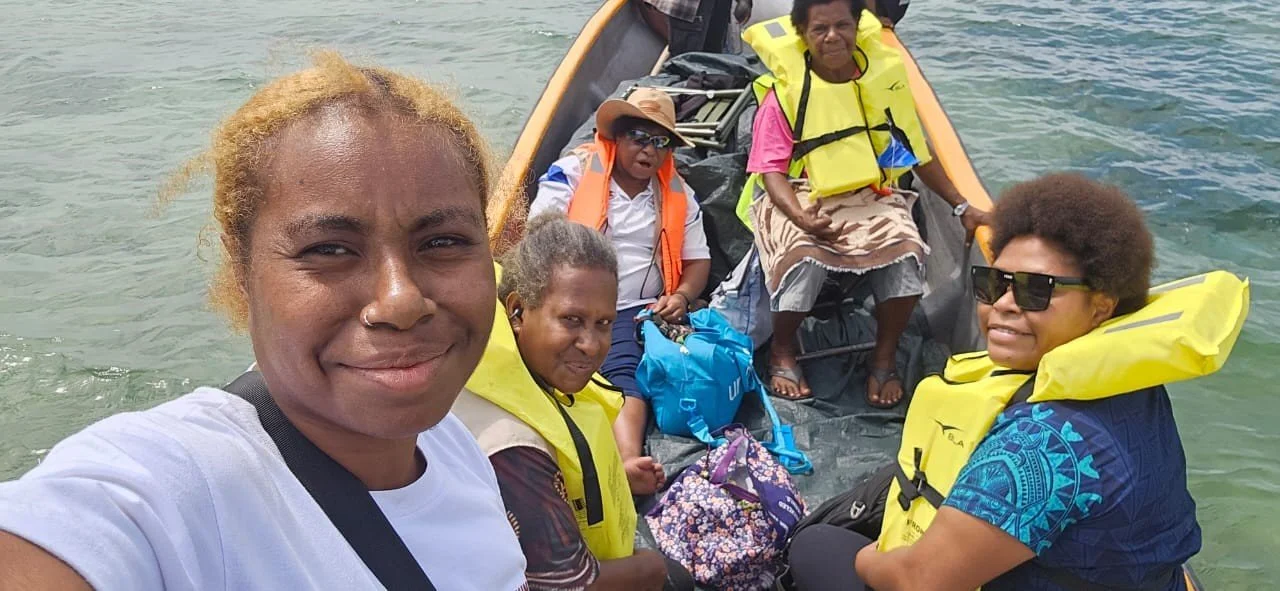
Julianne led the East Sepik Rapid Response Team through contact tracing, active case finding, and supporting local health facilities to put screening and infection control measures in place. Her work was later recognised by PNG's National Department of Health for helping prevent the outbreak from spreading nationwide.
Henoa Boara & Elenora Pitapapele
When Tropical Cyclone Maila, a category 5 storm, tore through two provinces of Solomon Islands in April 2026, disrupting routine health services across multiple communities, field epidemiologists who are graduates from the Solomon Islands Field Epidemiology Training Program (Sols FETP) were among the first to respond.
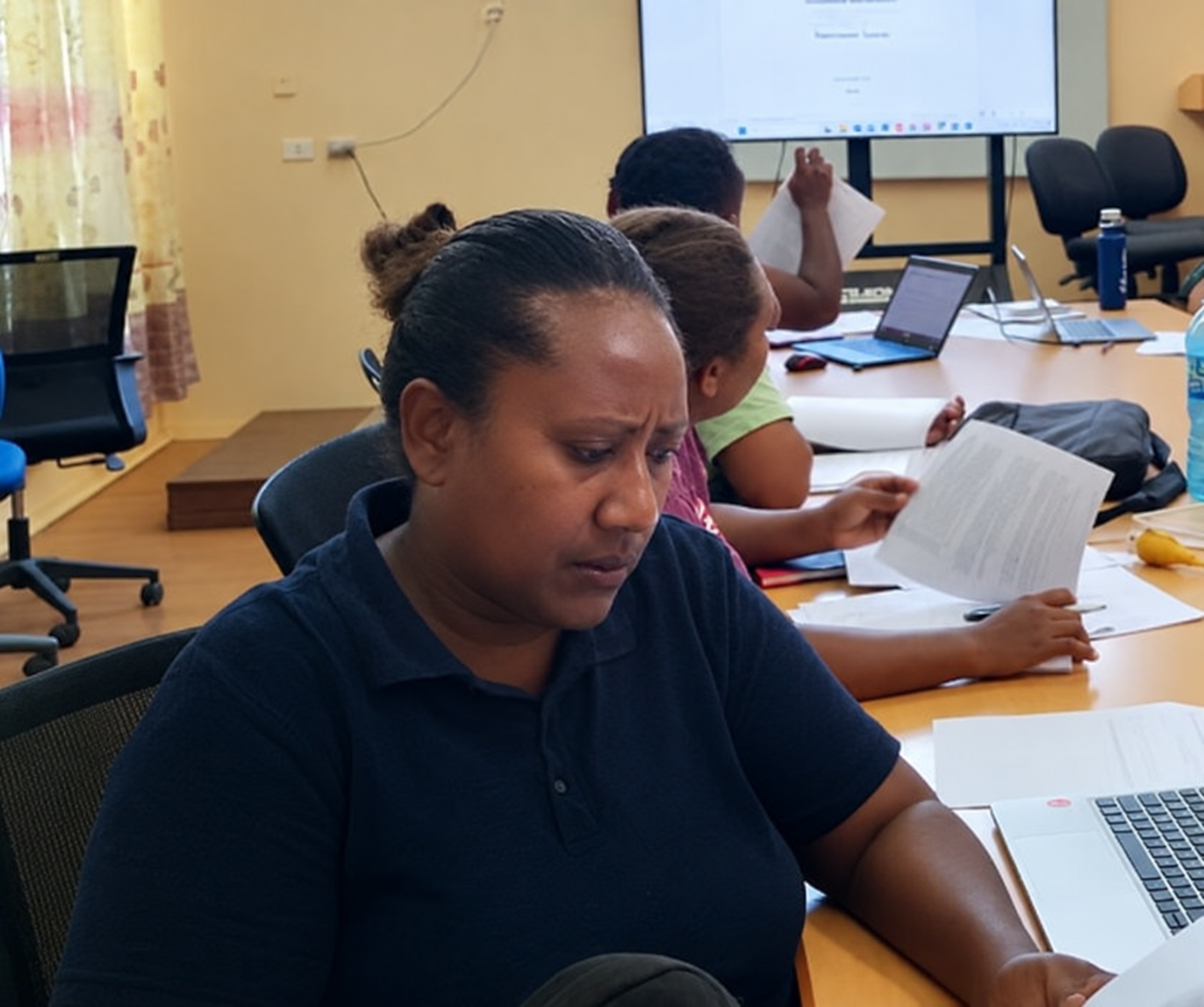
Henao Boara
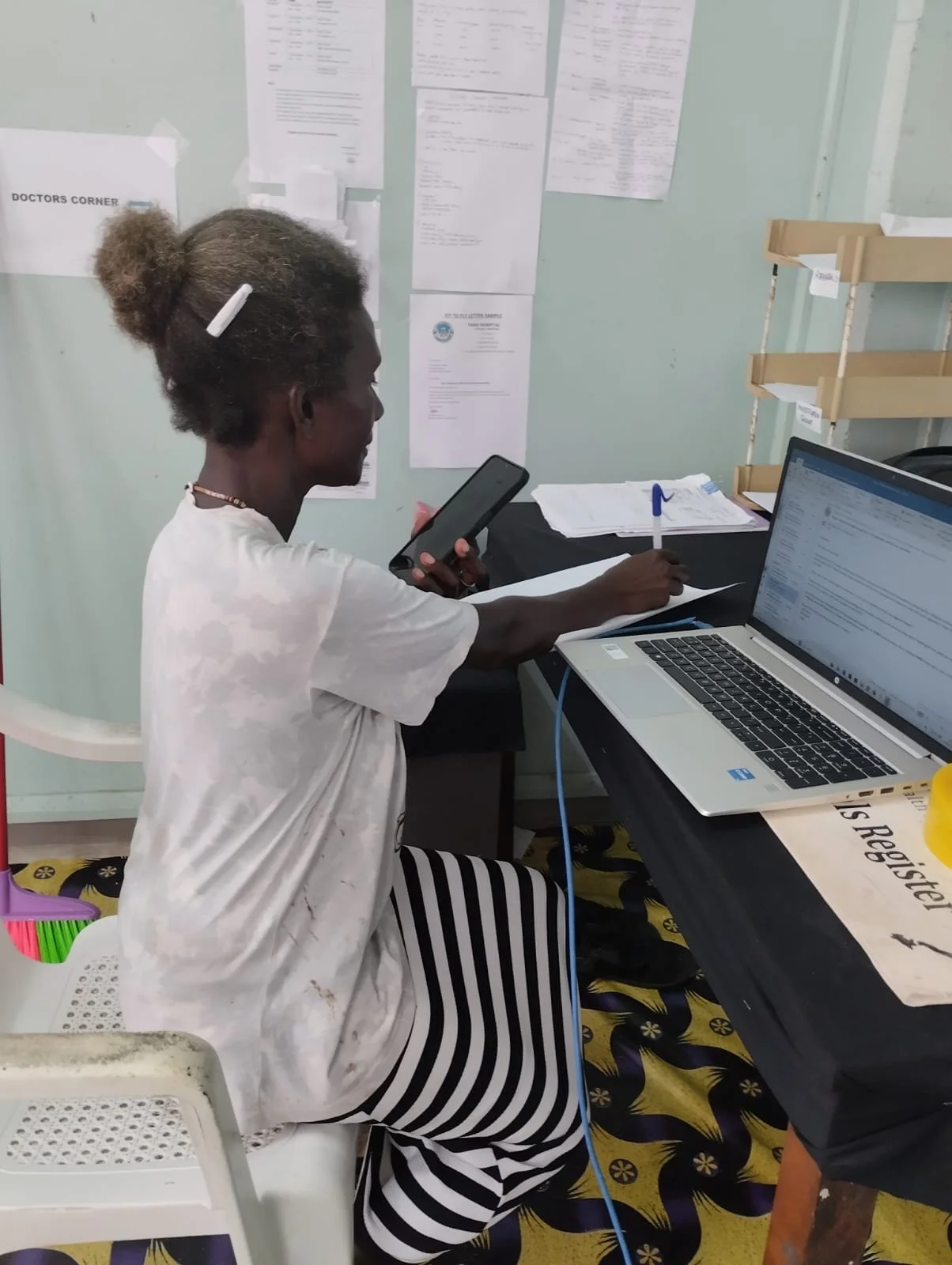
Elenora Pitapapele
Straight after the cyclone hit, Henao Boara set up daily surveillance reporting in her province. Unable to travel, she trained nurses over the phone to track early signs of illness and potential disease outbreaks. Within days she was receiving reports from affected sites and tracking outbreak alerts.
"TC Maila really opens my mind and I really see where surveillance sits. I know my role in the response," she said.
In a neighbouring province, Elenora Pitapapele took a different route to the same result, leveraging her Sols FETP network. Knowing a fellow graduate was travelling to cyclone-affected communities providing outreach care, she gave him paper copies of case definitions (checklists of symptoms to watch for) to hand to key focal points on the ground. When Elenora called each day, the focal points already knew what to report. "We all worked together and there were no outbreaks," she said.
Between them, daily reporting from the two provinces meant potential outbreaks would be detected and verified before they could take hold, in the middle of a disaster that had already stretched health services thin. "TC Maila motivated me, and I have a great understanding if there is another disaster," Elenora said.
Raphael Anea
Before 2025, all disease surveillance data in Raphael Anea's province in Papua New Guinea lived in Microsoft Excel spreadsheets and was manually reviewed. During his Intermediate FETP training in 2022, Raph used his field project to evaluate the province's outbreak surveillance system and recognised areas where the system could be strengthened.
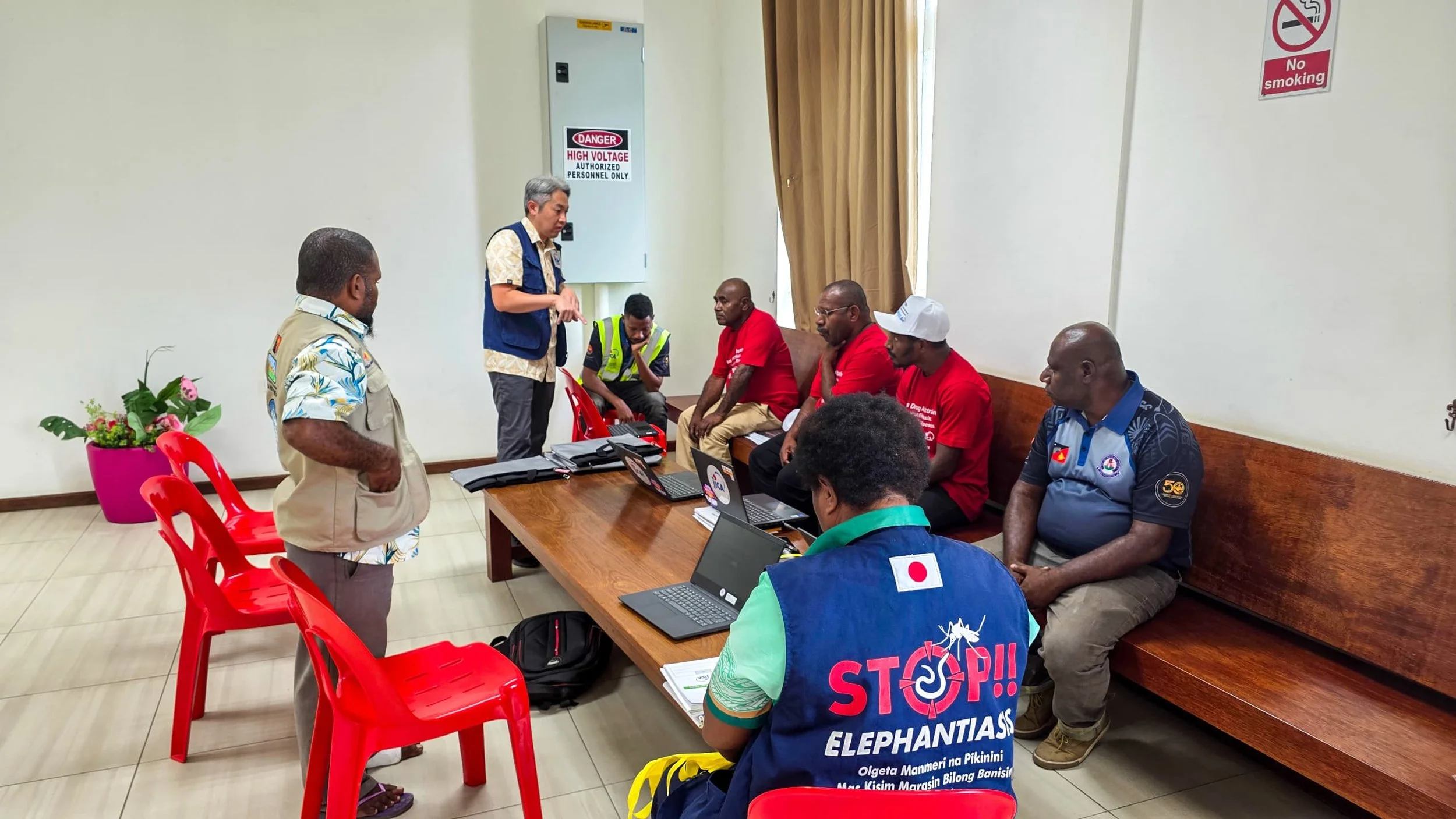
Raph advising data officers at his provincial health authority on data management skills
In May 2025, Raph completed Applied Epi's Introduction to R for Applied epidemiology, a 40-hour virtual short course teaching epidemiologists to use free open-source software to generate automated reports. He studied at 4am, twice a week, around a full workload.
"The most challenging part was building my R skills independently and moving beyond static reports to create interactive, automated surveillance reporting," he said.
He took it upon himself to put that learning into practice, building a live dashboard for real-time outbreak surveillance at his provincial health authority. It now monitors early warnings, automates weekly reports by epidemiological week, and produces the visuals his province uses to track disease trends in near real time.
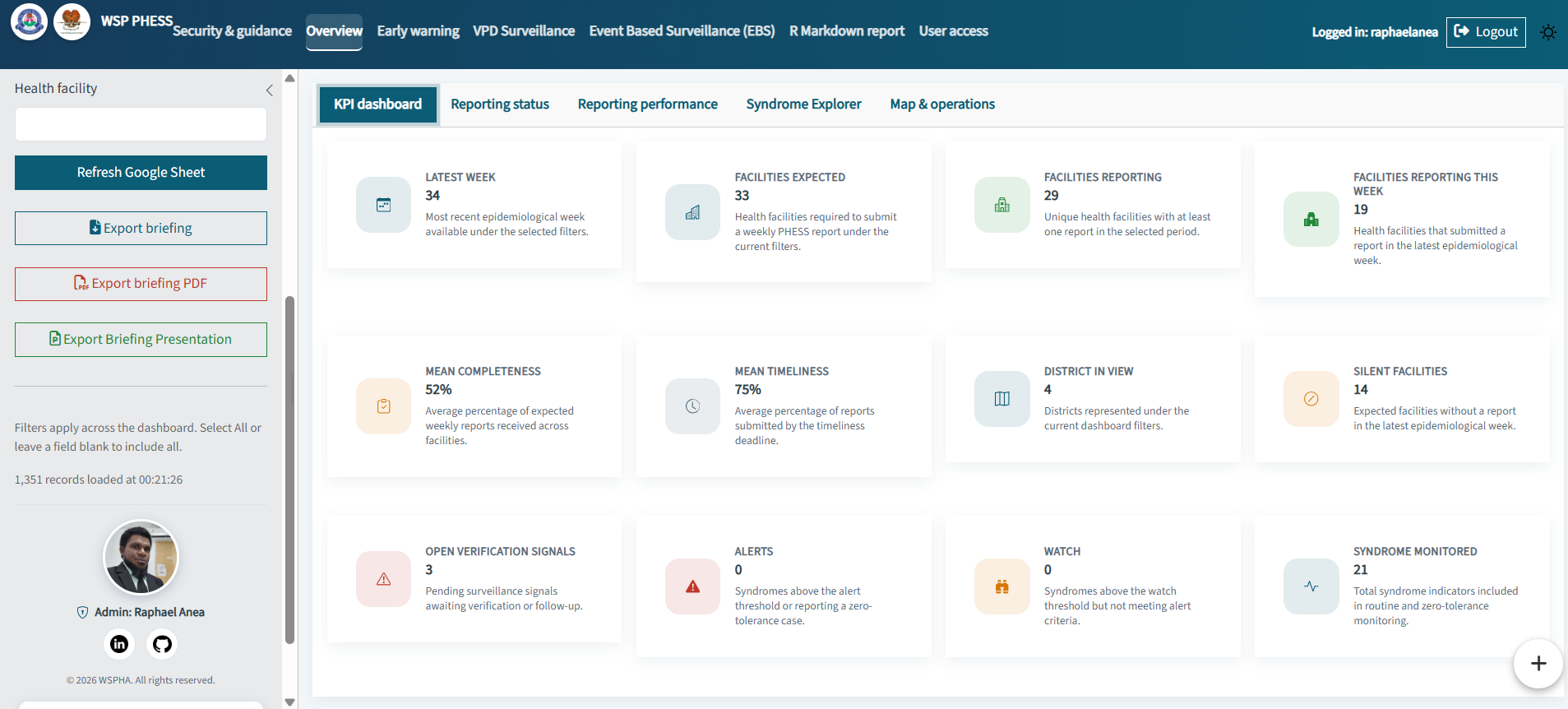
A screenshot of Raph's dashboard
The work is still young, Raph says, but he sees the potential to support the national event-based surveillance system.
"Earlier notification and detection can support faster responses to diseases with epidemic and pandemic potential," he said.
Pauline Mukura
Pauline Mukura spent over a decade with PNG's National Malaria Program, work that took her from working on malaria surveillance with frontline health workers in rural health facilities to leading national studies on the country's frontline malaria treatment.
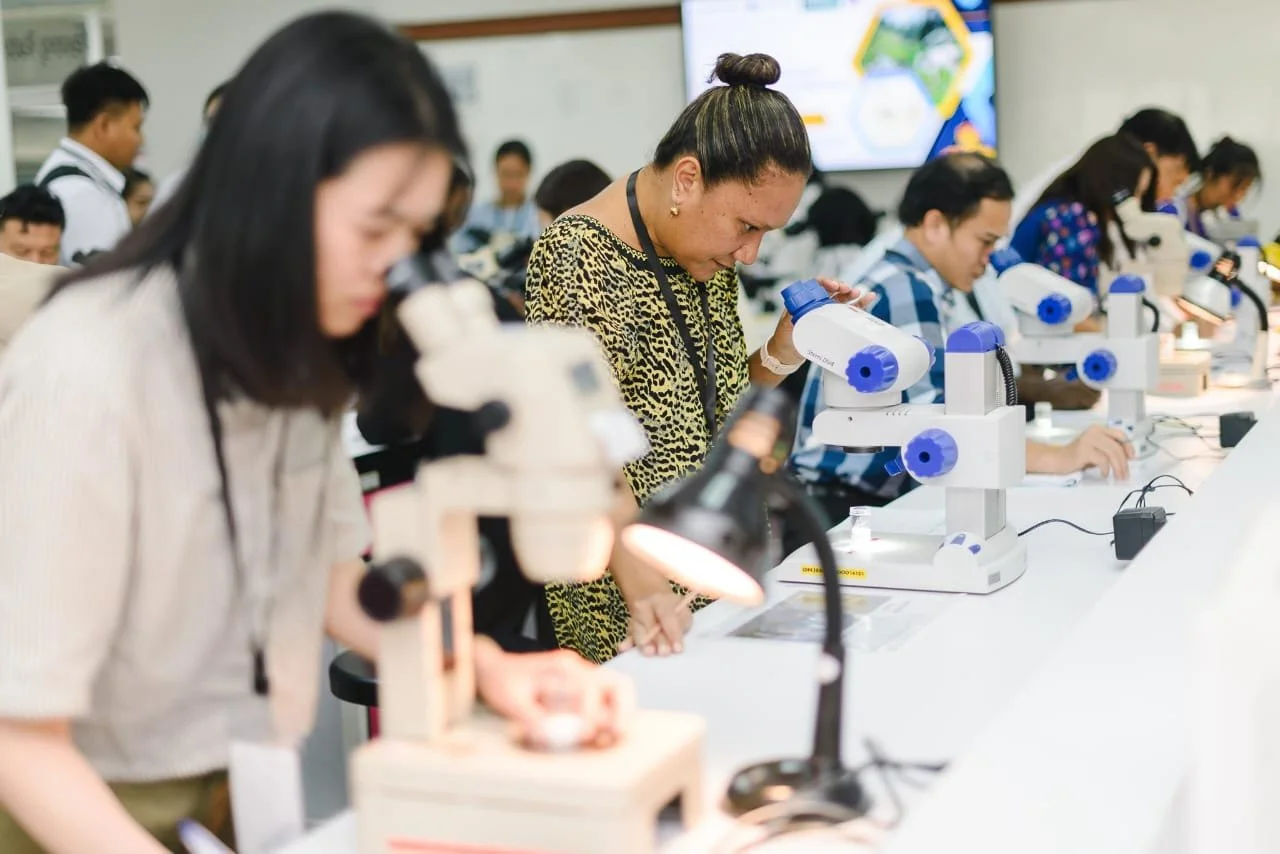
Pauline Mukura
During her FETP training, Pauline investigated what was undermining the quality of malaria microscopy, a blood test that detects if someone has malaria. She found shortages of testing supplies, inconsistent supervision, and gaps in training among lab staff.
But the finding that stayed with her went beyond equipment. She found quality diagnosis "depended not only on technical skills but also on having a strong support system, including regular mentoring, quality assurance, and the necessary laboratory equipment."
After graduating, Pauline went on to lead national studies that tested whether the malaria parasite was still responding to the country's first-line treatment. Evidence from these studies fed directly into the recent review of the National Malaria Treatment Guidelines.
Pauline served as a trainer and mentor to the next generation of intermediate FETP trainees, work she calls "a real honour." Without field epidemiology training, she says, PNG would have fewer people able to turn surveillance data into early warning and action.
Angela Gossiba & Hallilah Nakumai
In February 2026, pigs began dying in a remote district in East Sepik Province in Papua New Guinea, close to suspected African Swine Fever cases in a neighbouring district. Angela Gossiba, caretaker District Agriculture Coordinator and a One Health Frontline FETP graduate, visited the affected area the very next day. "I felt it as my direct responsibility because it concerned the livestock activity," she said.
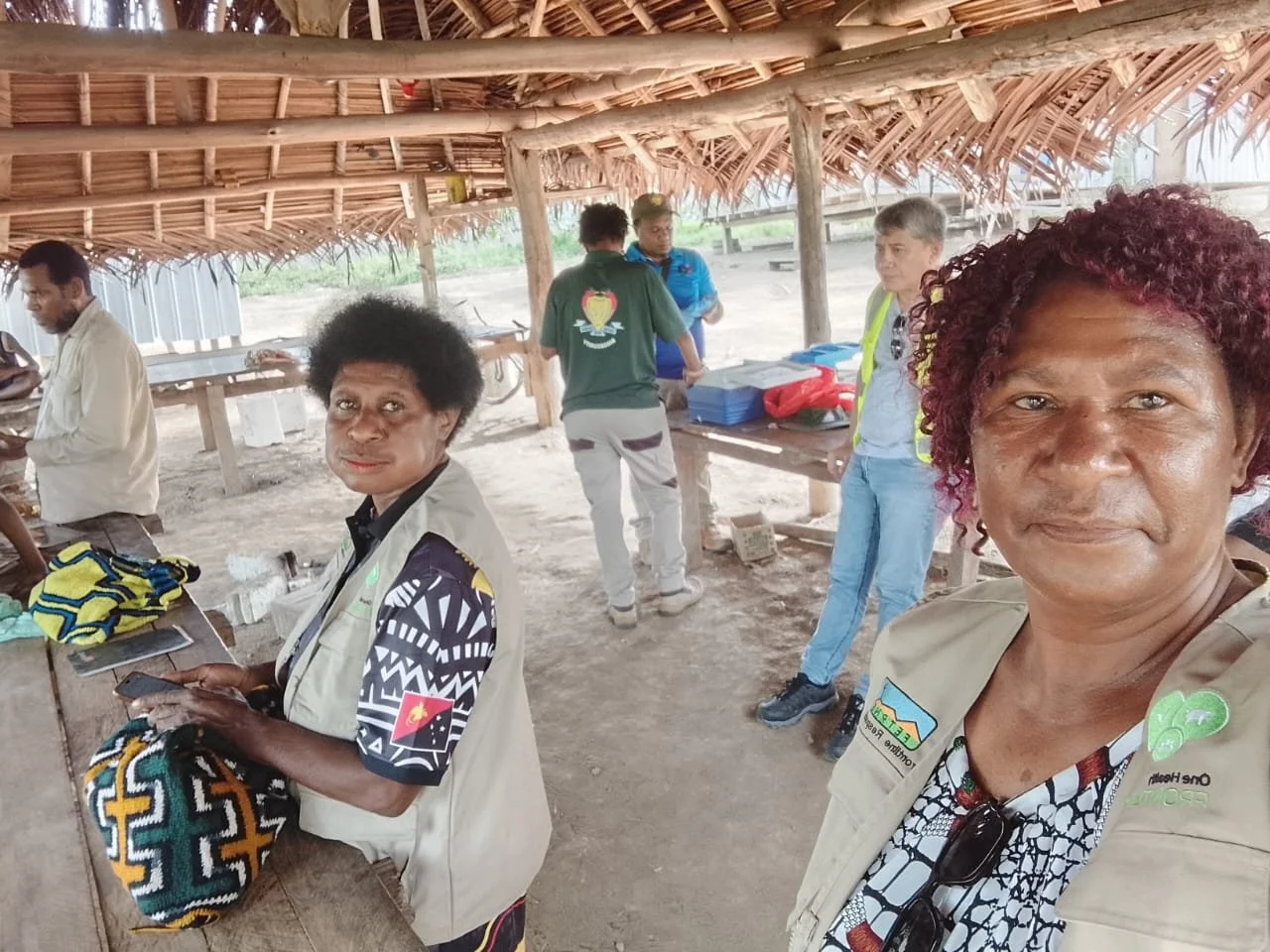
Angela Gossiba with her outbreak response team
Getting reliable information from the community proved difficult. Despite Angela's early reporting, the outbreak spread along the Sepik Plains and reached another district. "The task of a frontline Field Epi is very important in managing outbreaks, timeliness of reporting is essential to prevent spread," she said.
As the outbreak grew, Hallilah Nakumai, East Sepik's Provincial Livestock Officer (and One Health Frontline FETP graduate), led the next stage of the investigation in two districts. Getting samples safely to the laboratory exposed further gaps. "There was a knowledge gap in this process," she said "and a lack of transparency in sample collection, storage, and transportation." The trip took an unexpected turn when the hired vehicle was in an accident, and the next day Hallilah found herself at the police station to discuss the resulting compensation claim. She drafted her field report on her laptop while travelling there.
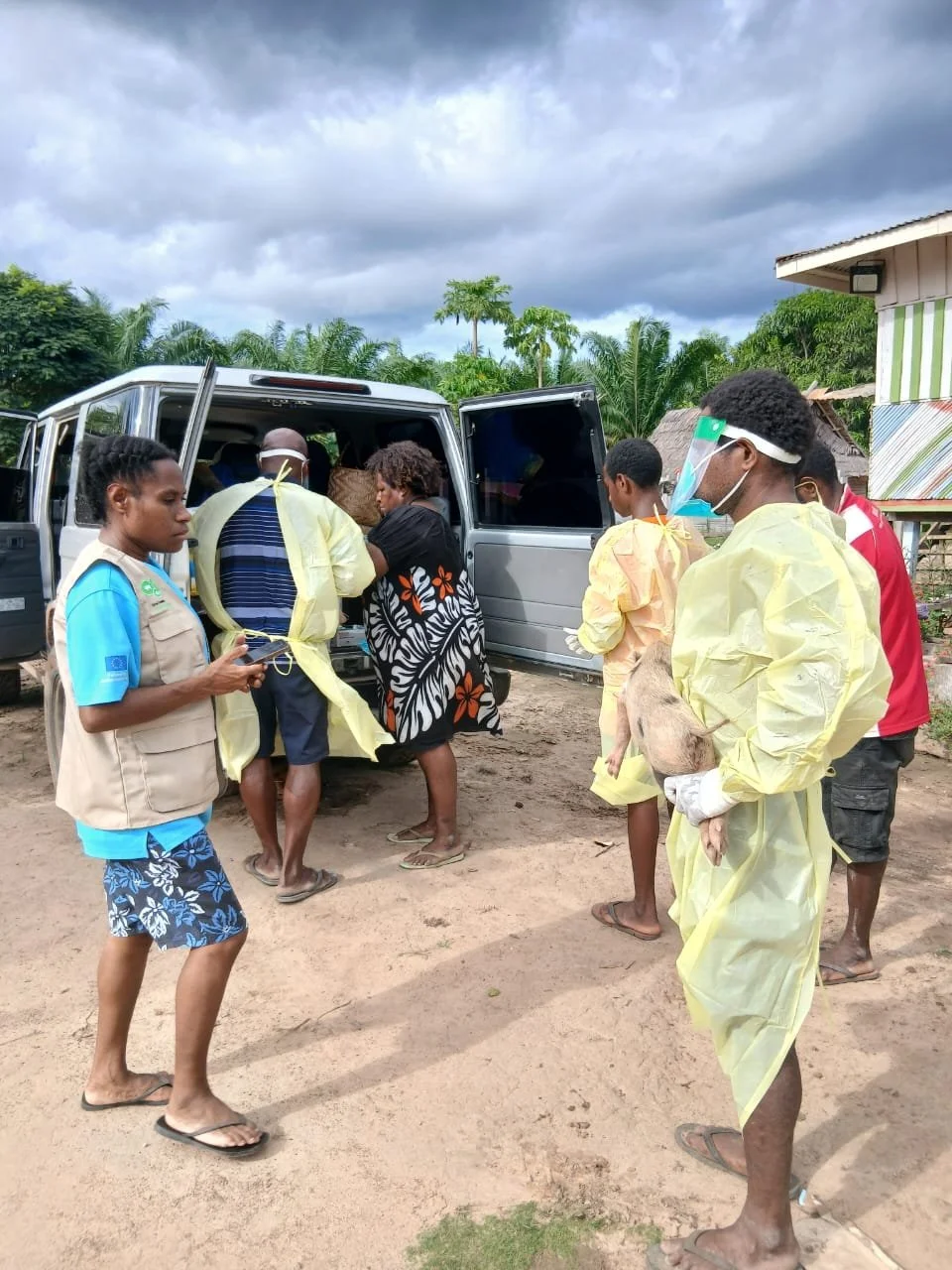
Angela and her team examining a pig during the outbreak investigation
Angela and Hallilah's persistence under difficult conditions, obtaining information from concerned communities, working through gaps in how samples reached the lab, drafting reports from the back of a car on the way to a police station, is what got this outbreak properly documented and escalated. Documentation of the investigation and challenges has led to the development of a formal agreement between PNG Biosecurity and the provincial administration and a dedicated centre being set up so the province isn't starting from scratch next time an outbreak hits. The investigation has highlighted the importance of One Health field epidemiology training programs.
"I did not know at that time that good results would be received a few months later," Hallilah said.
About Field Epi in Action